Finding a reliable, licensed plumber in Sandpoint Idaho matters more than most homeowners realize. A wrong choice can mean repeated repairs, water damage that creeps into drywall and floor joists, or permit headaches when you sell the house. I lived through a slow-drip replacement that turned into a concealed leak over a winter. It cost me twice what a proper installation would have, and it taught me how to separate competent plumbing pros from the sales pitches.
This guide walks through practical steps I use when vetting plumbers in small mountain towns like Sandpoint. It explains where to verify credentials, what questions actually reveal competence, how to think about price versus value, and how local contractors operate when permits, seasons, and supply delays change the timeline.
Why local licensing and experience matter here
Sandpoint sits in a region with older homes, seasonal occupancy, and a lot of private wells and septic systems. A plumber who works mostly on new construction in Boise may not have the same instinctive knowledge as someone who has repaired galvanized lines, converted systems to PEX, or diagnosed seasonal freeze problems on lakefront properties.
Licensing gives a baseline. It confirms the person has passed exams and met experience requirements. But licensing does not replace local experience, good communication, or the habit of pulling permits. The best plumbers in Sandpoint combine a valid Idaho license with a history of completed jobs nearby and clear, written estimates.
Start with verification, not just a business card
Ask for the license number and actually emergency plumbing company verify it. Idaho has a searchable licensing portal where you can confirm a license is active, whether discipline actions exist, and the class of license held. If a contractor hesitates or gives vague answers, that is a warning sign. Licensing information also tells you whether the contractor is authorized to supervise apprentices on larger projects.
Check insurance. General liability and worker compensation protect you if something goes wrong on site. Ask for certificates of insurance that name you as the certificate holder if you want extra protection during a large remodel. If a plumber cannot produce current insurance information, do not proceed.
Look for local references and proof of work
A license and insurance are necessary but not sufficient. Ask for two or three recent local references and follow up. When I called references during a bathroom rework, one homeowner told me the plumber arrived on a rainy Saturday to fix a busted line under a house because the crew knew it would freeze otherwise. That level of commitment separated the pros from the amateurs.
If a plumber has photos of recent jobs in Sandpoint, that shows they actually work in the area. Ask about similar jobs: replacing a water heater in a cramped utility closet, converting from galvanized to copper or PEX, setting up a new laundry line, or replacing a septic distribution box. The more specific the examples, the more likely the plumber has practical experience with the exact problem you face.
Questions that reveal competence
Instead of vague questions like Will you fix this?, use focused, open-ended queries that require detail. Ask what steps they will take to diagnose a problem, how long different phases will take, and what contingencies they expect. A good plumber will explain the likely causes of a leak, the diagnostic steps they will run, whether a camera inspection is necessary, and which repairs require permits.
Also ask about materials and brands. Plumbers who recommend specific valves, fittings, or water heaters and can explain why they prefer them usually have hands-on experience. Beware of blanket statements such as We use the best materials. Ask for names and reasons.
A short checklist to carry when you call or meet a plumber
- Ask for license number and verify it online. Request certificate of insurance and check it is current. Get two nearby references and ask about timeliness and cleanup. Request a detailed, written estimate showing labor, materials, and permits. Ask about warranties on parts and labor and how they handle punch-list items.
Pricing: what to expect and how to compare fairly
Price is important, but low bids often hide risks. A very low estimate might assume the easiest scenario and then bill change orders when the unexpected appears. Conversely, the highest bid is not always the safest bet. Look for clear breakdowns: materials, labor by the hour, diagnostic fees, disposal fees, and permit costs.
For routine work such as replacing a standard hot water heater, expect the estimate to list the type and size of tank, a labor window in hours, and whether venting or code upgrades are included. For repairs where the extent is uncertain, such as a suspected slab leak or a hidden wall leak, a good plumber will give a diagnostic fee up front and explain how additional work will be quoted.
Permits and inspections: insist they are pulled when required
Plumbing work that affects structural systems or alters fixtures typically requires a permit. When you hire a professional, they should handle permit pulls and coordinate inspections with Bonner County or the city of Sandpoint as appropriate. Ask who will handle permits and how they charge for that service. If a contractor suggests skipping permits to save money or time, walk away. Permit records protect you during resale and ensure work meets code.
Timing and seasonality in Sandpoint
Work schedules shift with the seasons. Winter freeze risk means some repairs are urgent and require emergency response. Spring and summer are busy for remodels and new installations, and lead times for parts such as water heaters or specialty valves can run a week or more. If you need a timely water heater replacement in July, you are less likely to wait; in December, a rapid emergency callout may carry a premium.
When planning a remodel, ask the plumber about realistic timelines based on current workload and supply lead times. A contractor who manages a calendar and communicates delays transparently is worth more than one who promises the moon and disappears.
Trust but verify the small print
Get everything in writing. A written contract should list the work scope, start and estimated finish dates, payment schedule, materials and brands, warranty terms, and how change orders are handled. If you must pay a large deposit, keep it reasonable. For many local plumbers, a 10 to 30 percent deposit is common for materials-heavy jobs. Be cautious when asked for full payment upfront.
Inspect the work before final payment. Walk through the job with the plumber, test fixtures, and confirm any punch-list items are addressed, such as proper sealing around tubs, no leaks under sinks, and completion of debris removal.
What to expect from local companies and how to compare them
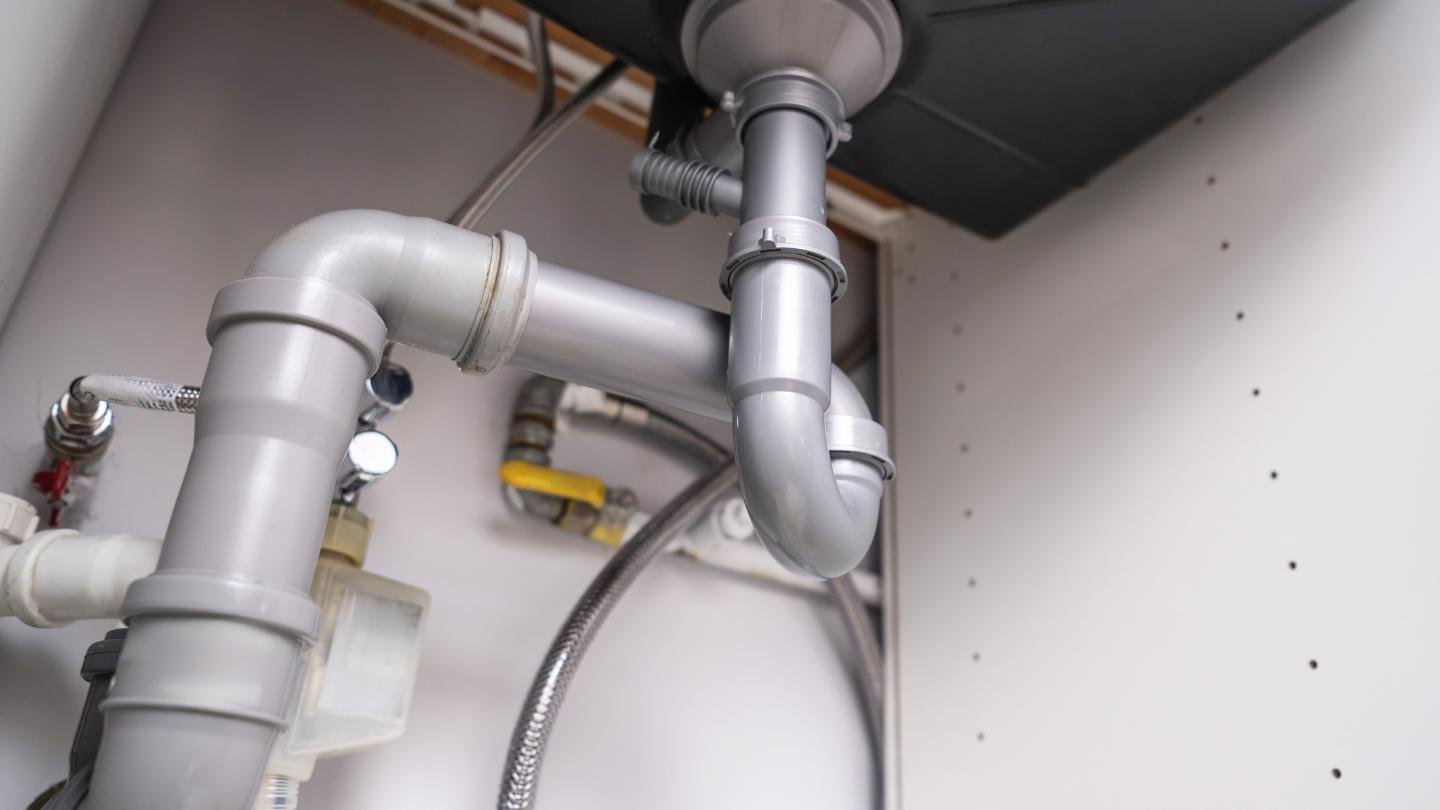
Sandpoint has a mix of one- or two-person shops and small companies that serve the Panhandle and Lake Pend Oreille communities. Smaller crews often provide a personalized touch and faster emergency response. Larger local companies may offer broader services, such as full remodels, backflow testing, or commercial contracts. Choose based on your needs.
If you are looking for a plumber company in Sandpoint for ongoing maintenance or for a complex remodel, interview a couple of firms. Ask about their track record with jobs like yours. Does the company handle permit coordination? Do they subcontract specialized tasks like sewer line replacement or backflow installations, and if so, how are subcontractors vetted?
Red flags to watch for
- No license verification or reluctance to provide a license number. No certificate of insurance or insurance that is expired or insufficient. High-pressure sales tactics to upsell unrelated work. Refusal to pull permits when required. Vague or absent written estimates and contracts.
Why referrals matter more here than online stars
Online reviews help, but in a place like Sandpoint, a neighbor’s first-hand referral carries extra weight. Someone who has seen a plumber work on a lakeside cabin, handle a vacation-rental turnaround, or service a historic boiler will give insights you cannot glean from stars alone. Ask neighborhood Facebook groups, town bulletin boards, or your property manager for recent recommendations.
A word on specialized work: wells, septic, and backflow
If your home uses a private well or septic system, choose a plumber with documented experience in those systems. Not every licensed plumber has worked with pressure tanks, submersible well pumps, or septic distribution boxes. Backflow prevention requires a certified tester if your property is on a cross-connection program. For any work that ties into municipal systems or affects water quality, ask for certifications relevant to that specialty.
Practical negotiation points that keep projects on track
Negotiate clear milestones rather than vague promises. For instance, split payments into a deposit for materials, a mid-job payment after rough-in inspection, and a final payment after final inspection and cleanup. Include an allowance for unforeseen conditions, such as hidden rot or additional pipe corrosion, and set a percent cap on change orders without a separate signed authorization.
If the plumber estimates a multi-day job, set a rule that the crew must leave the site secure each evening. Small details like locking crawlspace doors and protecting finishes matter, especially on remodels.
When to call a second opinion
If you receive a diagnosis that requires heavy demolition or a large replacement, take a breath and get a second opinion. I once received two different diagnoses for a recurring bathroom leak; a second opinion found poor original installation rather than a systemic pipe failure, saving me thousands. A second licensed contractor can confirm whether the proposed scope is reasonable.
Why a trusted local name is worth paying for
Plumbers who invest in a local reputation often behave differently. They clean up, show up on time, communicate, and stand behind their work because their next job depends on word of mouth. When you find a plumber who checks the boxes for license, insurance, references, permitting, and written estimates, keep their contact information. Good contractors deserve repeat business, and you will save yourself time and stress the next time a slow leak surfaces.
A practical example: replacing a water heater in a Sandpoint home
When replacing a water heater, a competent plumber will measure the utility space, check venting and combustion air requirements if it is gas, advise on tank size based on household usage, and tell you whether upgrades are wise such as seismic strapping for lakefront homes or expanding the drain pan to code. They will note permit fees and schedule the city inspection if required.
Expect a written estimate that shows the old unit removal, new unit installation, materials, labor hours, and disposal. If your house has cramped access or requires a specialty crane lift for a rooftop installation, those costs should appear as line items. A trustworthy plumber explains these choices instead of surprising you with them afterward.
Belief in workmanship and a final recommendation
If you are searching the web for a plumber in Sandpoint ID or asking neighbors for a plumber Sandpoint trusts, prioritize professionals who demonstrate local experience, provide transparent paperwork, and engage in clear, honest communication. Companies with visible local roots, who are willing to show licenses, insurance, and references, will protect your property and your wallet over the long run.
If you need a starting point, call a plumber company in Sandpoint that offers free site visits and written estimates, asks the right diagnostic questions, and is willing to coordinate permits. Many local companies, including firms with names you might see on local job sites such as Believe Plumbing, have built reputations by working in the community and standing behind their work. Pick someone who explains the problem, lays out options with pros and cons, and writes it down. That combination of clarity and craftsmanship prevents most headaches.
Finding a licensed plumber does not have to be a chore. Carry the checklist, verify the license, ask specific questions, and favor local experience. When in doubt, get the second opinion. Your home is worth that extra effort.
Believe Plumbing
819 US-2, Sandpoint, ID 83864
+1 (208) 690-4948
[email protected]
Website: https://callbelieveplumbing.com/